Mar 1, 2026 • Mechanic
How to Buy Genuine Spare Parts in Kenya Without Paying for Counterfeit Stock
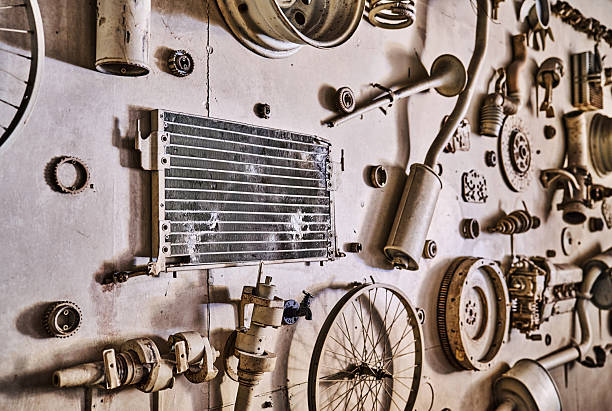
A buyer and workshop guide for distinguishing genuine, OEM-quality, and risky counterfeit parts before purchase.
The aftermarket has genuine value options and also risky counterfeit stock with convincing packaging. The difference is usually visible when procurement teams verify supplier history, part coding, and warranty accountability before payment.
In practical workshop operations, the biggest losses happen when teams respond only to symptoms and ignore process discipline. This guide focuses on genuine parts sourcing using a repeatable method that technicians can apply across private, ride-hailing, and fleet vehicles. The objective is to make every diagnosis traceable, every part recommendation defensible, and every repair outcome measurable over time.
1. Why This Problem Escalates Faster Than Most Drivers Expect
Most failures begin as small performance shifts: a mild noise, delayed response, a warning lamp, or slight temperature drift. These are often ignored because the vehicle still moves. However, when the underlying system is already unstable, each extra day of operation compounds wear and pushes other connected components beyond safe limits. In our workshop, we consistently find that early intervention cuts total repair spend by a wide margin and avoids emergency downtime.
The core technical trigger in this topic is weak procurement controls that prioritize lowest shelf price over traceability, warranty terms, and manufacturer confirmation. Once this pattern starts, replacing one visible component without system-level verification rarely solves the issue for long. A strong workshop process therefore combines baseline inspection, data logging, targeted replacement, and post-repair validation before any job is considered complete.
2. Structured Triage: What to Check Before You Order Parts
Triage is where repair quality is either protected or lost. A disciplined triage sequence prevents expensive guesswork and keeps customers informed with evidence, not assumptions. Begin with visual checks and customer symptom mapping, then move into instrumented diagnostics so the team can separate root-cause defects from secondary effects.
- Match part number and revision against manufacturer catalog data.
- Inspect security labels, laser etching, and packaging consistency.
- Confirm supplier invoice traceability and return policy.
- Check component finish quality and critical dimensions before fitment.
When this workflow is done consistently, parts selection becomes precise and labor hours are controlled. It also improves customer trust because the service advisor can explain exactly what was found, what is urgent, and what can be planned in phases.
3. Parts Selection and Procurement Controls That Protect Your Reputation
Part quality is not only about brand name. It is about fitment accuracy, supplier traceability, warranty enforcement, and whether the specification actually matches vehicle duty cycle. Workshops that control these four elements report lower comebacks, more predictable margins, and stronger repeat business from informed customers.
- Buy from verifiable distributors with physical business presence.
- Document batch numbers for all high-risk components.
- Reject items without warranty terms or authenticating marks.
- Retain procurement records for repeatability and claims handling.
For public-facing inventory strategy, prioritize fast-moving parts with tested brands and keep safety-critical systems on strict quality thresholds. This approach balances shelf availability with professional risk management, especially when vehicles are used commercially and downtime has direct income impact.
4. Repair Execution Standards and Post-Repair Quality Gates
A repair is only complete when the system performs consistently under real operating load. That means controlled road tests, objective readings, and customer-ready documentation. Teams that skip quality gates often see repeat visits where symptoms return because final verification was not performed under actual stress conditions.
- Fitment test confirms dimensions before full installation.
- No compromise on safety-critical systems such as brakes and steering.
- Warranty information captured in customer job card.
- Supplier performance reviewed monthly against returns and failures.
Quality control also protects your workshop from dispute. With clear before-and-after observations, you can show what changed, what parts were installed, and why the recommended next interval is technically justified.
5. Practical Preventive Maintenance Calendar
Prevention is most effective when it is calendar-based, not memory-based. The table below is a practical baseline that can be adapted to personal vehicles, high-mileage taxis, and corporate fleets. The key is consistency: small checks done regularly prevent large failures that disrupt work and cash flow.
| Interval | Action | Success Target |
|---|---|---|
| Weekly | Review incoming stock for packaging and coding anomalies. | No unidentified or suspicious stock enters shelves. |
| Every 10,000 km | Track early-failure parts and flag supplier trends. | Low return rate on fast-moving items. |
| Every 20,000 km | Audit high-value item traceability documentation. | Full supplier and batch trace for each critical part. |
| Quarterly | Supplier scorecard review with procurement team. | Consistent quality and dependable warranty support. |
6. Cost Planning and Customer Communication
Customers respond better when they are given options with clear risk explanation: immediate safety repairs, short-term reliability actions, and medium-term preventive upgrades. This structure avoids shock pricing and helps owners approve work in phases without compromising safety-critical items.
A reliable communication script includes: symptom summary, diagnostic proof, root-cause explanation, recommended parts tier, labor estimate, and next review date. When service records are maintained this way, the vehicle owner gets predictable planning, the workshop improves accountability, and long-term maintenance outcomes become significantly better.
Conclusion
How to Buy Genuine Spare Parts in Kenya Without Paying for Counterfeit Stock is best managed through consistency, data-backed decisions, and disciplined follow-up. Workshops that combine clear diagnostics, high-quality parts control, and preventive scheduling deliver fewer repeat faults and stronger customer confidence. Use this framework as a working standard, adapt it to each vehicle profile, and keep records detailed enough to support every recommendation.
Powered by Froala Editor